
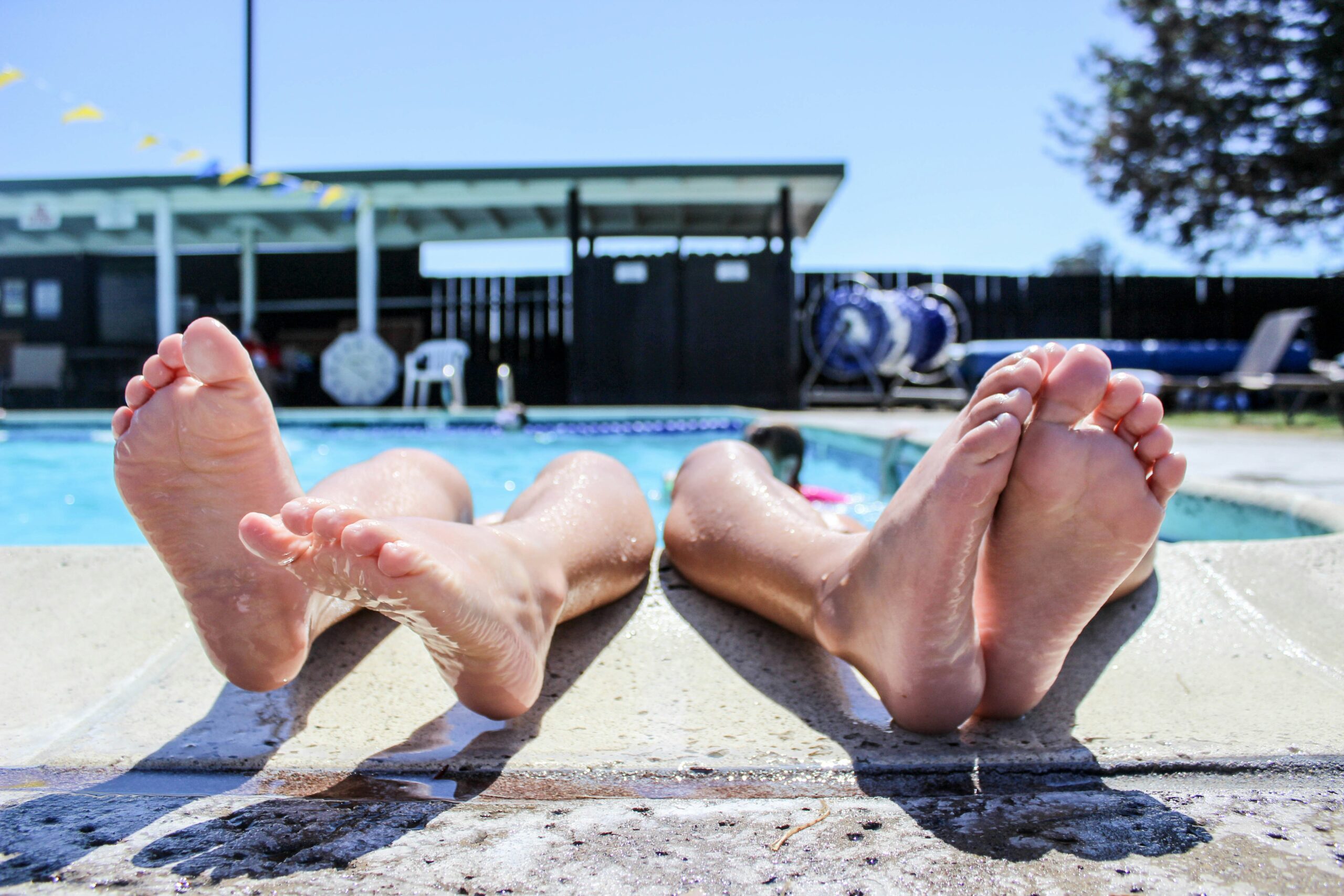
Summer is sandal season—but for many people, it also marks the return of dry, cracked heels. This common condition may start as a cosmetic nuisance, but when left untreated, it can lead to discomfort, bleeding, and even infection.
Cracked heels in summer typically result from exposure to heat, dry air, and open-backed footwear. Sandals and flip-flops allow the heel’s skin to expand outward, which can cause fissures, especially if you’re walking on hot pavement or standing for long periods. Dehydration, standing barefoot, and not moisturizing regularly can all worsen the problem.
People with underlying conditions like diabetes, obesity, or eczema are more prone to cracked heels and should be especially cautious. These cracks can deepen, creating an entry point for bacteria and increasing the risk of infection—something we take very seriously at Gauld Foot and Ankle.
Treatment starts with a professional evaluation. We assess whether the cracking is superficial or deep, and we’ll check for signs of infection or fungal growth. If needed, we may recommend debridement, prescription creams, or protective heel cups to prevent further stress on the skin.
For ongoing maintenance, we often refer patients to Sona Medical Pedicure Spa, our trusted partner offering waterless medi-pedis in a sterile environment. Their team specializes in non-cosmetic foot care to support healthy skin and nails, especially for at-risk patients.
Don’t let cracked heels hold you back from summer fun. Book an appointment with Gauld Foot and Ankle and get the expert care your feet deserve.