
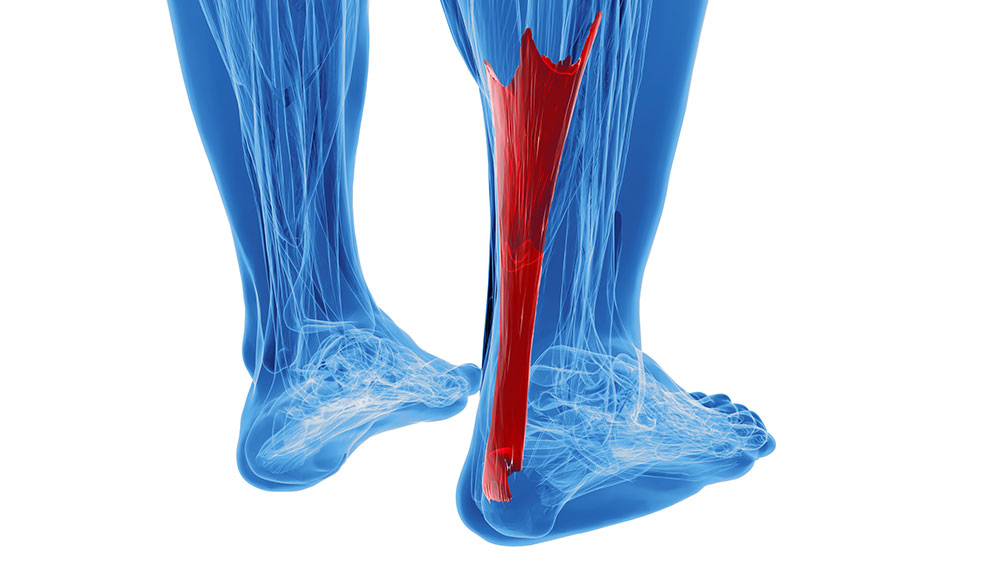
Achilles tendon — the thick, strong cord connecting your calf muscles to your heel bone — is the largest tendon in your body. It helps you walk, run, jump, and push off the ground with every step.
But when it becomes inflamed or overused, it can lead to a painful condition known as Achilles Tendonitis.
At Gauld Foot & Ankle, we see this condition often among active individuals and those who spend long hours on their feet. Left untreated, Achilles Tendonitis can worsen and even lead to tendon tears or ruptures. Let’s take a closer look at what causes it, how to spot it, and the best ways to treat it.
What Causes Achilles Tendonitis?
Achilles Tendonitis typically develops from repetitive strain or sudden increases in activity that put too much pressure on the tendon. Over time, tiny tears and inflammation occur, leading to pain and stiffness.
Common causes include:
- Sudden increase in exercise intensity or duration
- Wearing unsupportive or worn-out footwear
- Running or walking on uneven or uphill surfaces
- Standing for long periods
- Tight calf muscles or limited ankle flexibility
- Aging, which can reduce tendon elasticity
- Certain medical conditions (such as flat feet or bone spurs on the heel)
Both athletes and non-athletes can develop Achilles Tendonitis — it’s one of the most frequent overuse injuries of the lower leg.
Common Symptoms of Achilles Tendonitis
Symptoms often start gradually and worsen with continued strain. You might notice:
- Pain or tenderness along the back of the leg or near the heel
- Morning stiffness that improves with movement
- Swelling or thickening around the tendon
- Pain during or after physical activity
- A creaking or crackling feeling when the tendon is moved or touched
- Difficulty standing on your toes or pushing off the foot
Ignoring these symptoms can lead to more severe damage, including Achilles tendinosis (chronic degeneration) or even a partial tear or rupture of the tendon.
Diagnosing Achilles Tendonitis
A podiatrist can diagnose Achilles Tendonitis through:
- A physical examination of your foot and ankle
- Assessing range of motion and flexibility
- Ultrasound or MRI imaging to check for tendon damage or inflammation
Treatment Options for Achilles Tendonitis
The goal of treatment is to reduce pain, promote healing, and restore flexibility and strength to the tendon.
Conservative treatments may include:
- Rest & Activity Modification: Temporarily avoiding activities that strain the tendon.
- Ice Therapy: Applying ice packs to reduce swelling and inflammation.
- Stretching & Physical Therapy: Gentle stretching and strengthening exercises to restore mobility.
- Supportive Footwear & Orthotics: Custom orthotics can reduce stress on the Achilles tendon.
- Anti-Inflammatory Medications: To manage pain and swelling (as prescribed).
- Laser Therapy or Shockwave Treatment: Non-invasive options that promote healing and tissue repair.
If conservative measures don’t provide relief, advanced treatments such as regenerative medicine (like platelet-rich plasma or Wharton’s Jelly therapy) or surgical repair may be considered for severe cases.
Recovery & Prevention Tips
Healing time depends on the severity of the condition, but most patients improve with consistent care and patience. To prevent recurrence:
- Always warm up before physical activity
- Wear supportive, cushioned footwear
- Gradually increase exercise intensity
- Stretch your calves daily
- Avoid overtraining or repetitive stress on the tendon
️Expert Care for Achilles Pain
At Gauld Foot & Ankle, we specialize in diagnosing and treating Achilles Tendonitis and other foot and ankle conditions with advanced, personalized care.
Whether your pain began from sports, work, or daily activity, our team can help you recover quickly and safely — so you can get back to moving comfortably again.
📞 Call us today (678) 215-1882 or request an appointment online and take the first step toward lasting relief from heel and tendon pain.