
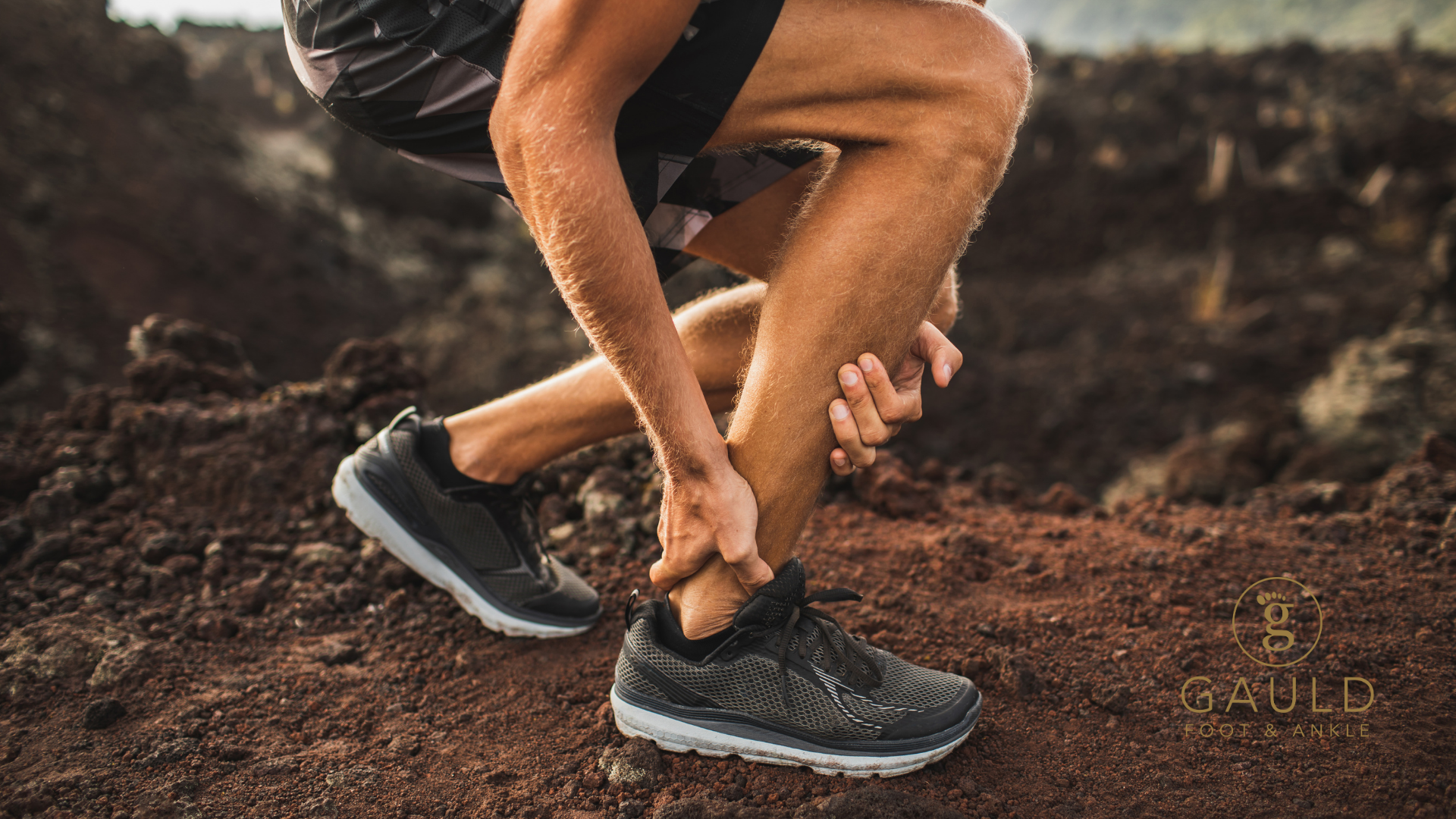
Your Achilles tendon plays a vital role in everyday movement, helping you walk, run, and push off the ground with each step. Because it bears significant stress, it’s also vulnerable to irritation and overuse. Taking proactive steps to care for your Achilles tendon can help reduce your risk of developing Achilles tendonitis and keep you moving comfortably.
Why Achilles Tendon Care Matters
The Achilles tendon connects the calf muscles to the heel bone and absorbs repeated impact during physical activity. Without proper care, repetitive strain can lead to inflammation, stiffness, and pain. Prevention is especially important for active individuals, people who stand for long periods, and those returning to exercise after a break.
Stretch and Strengthen Regularly
Keeping the calf muscles flexible and strong helps reduce strain on the Achilles tendon.
Helpful habits include:
- Gentle calf stretches, especially before and after activity
- Strengthening exercises that support the lower leg
- Gradually increasing intensity when starting new workouts
Consistency is key—short daily routines can make a meaningful difference over time.
Increase Activity Gradually
Sudden changes in physical activity are a common cause of Achilles tendon problems. Whether you’re starting a new exercise routine or increasing mileage, it’s important to progress slowly.
Prevention tip:
Follow a gradual increase in activity level to allow your tendon time to adapt to new demands.
Wear Supportive Footwear
Proper footwear plays an important role in Achilles tendon health. Shoes that provide good arch support, cushioning, and heel stability can help reduce stress on the tendon.
Consider footwear that:
- Fits properly and supports your foot type
- Is appropriate for your activity
- Is replaced when worn out
For some individuals, supportive inserts or orthotics may offer additional benefit.
Pay Attention to Your Body
Early warning signs such as stiffness, soreness, or mild pain should not be ignored. Discomfort that appears during or after activity may indicate increased strain on the Achilles tendon.
If symptoms appear:
- Reduce activity temporarily
- Allow adequate rest and recovery
- Avoid pushing through pain
Early adjustments can help prevent more serious injury.
Warm Up and Cool Down
Skipping warm-ups and cool-downs can increase the risk of tendon irritation. Preparing your muscles and tendons before activity helps improve flexibility and circulation.
Helpful practices include:
- Light movement before exercise
- Stretching after activity
- Allowing time for recovery between workouts
Maintain Overall Foot and Ankle Health
Good foot and ankle mechanics help reduce unnecessary stress on the Achilles tendon. Addressing underlying issues such as poor alignment, tight muscles, or improper gait can play an important role in prevention.
A foot and ankle specialist can evaluate these factors and provide personalized guidance if needed.
When to Seek a Foot and Ankle Specialist
If you experience persistent pain, stiffness that worsens over time, or discomfort that interferes with daily activities, it may be time to seek professional evaluation. Early assessment can help identify contributing factors and guide appropriate care.
Protect Your Movement for the Long Term
Caring for your Achilles tendon doesn’t require major changes—just consistent, mindful habits. With proper stretching, supportive footwear, gradual activity progression, and early attention to discomfort, you can reduce your risk of Achilles tendonitis and stay active with confidence.
If you have concerns about Achilles pain or injury prevention, call us today (678) 215-1882 or request an appointment online