
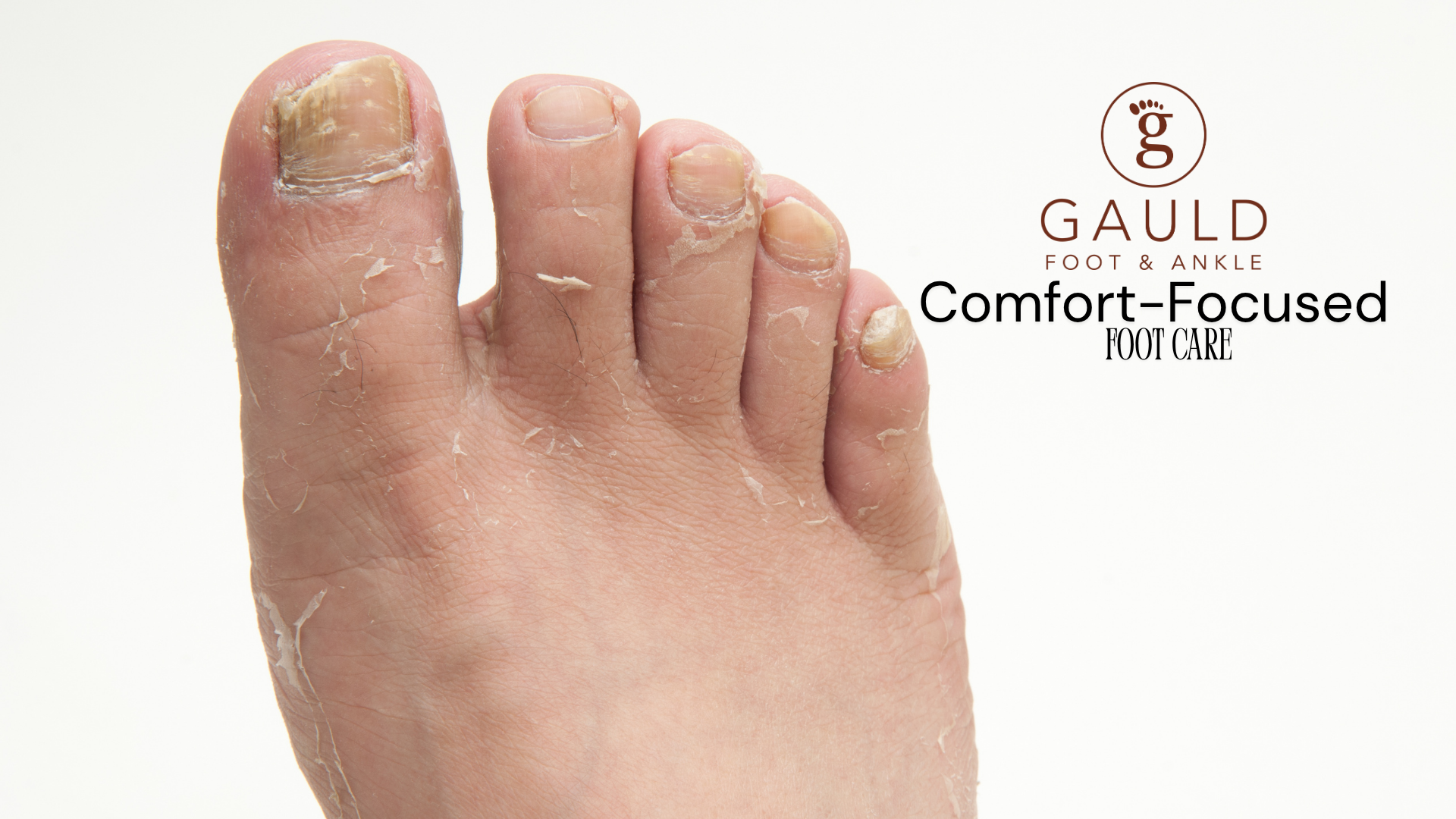
Athlete’s foot, medically known as tinea pedis, is one of the most common foot infections — yet it’s also one of the most overlooked. Despite its name, you don’t have to be an athlete to get it. Anyone can develop this condition, especially those who spend time in damp environments or wear tight shoes for long periods.
Let’s take a closer look at what causes athlete’s foot, how to recognize it, and what you can do to treat it effectively.
What Causes Athlete’s Foot?
Athlete’s foot is a fungal infection caused by dermatophytes — the same fungi responsible for ringworm and jock itch. These fungi thrive in warm, moist environments, such as:
- Locker rooms, public showers, and pool areas
- Inside sweaty socks or shoes
- Unventilated footwear
Walking barefoot in these areas or sharing towels and shoes can easily spread the infection.
Common Symptoms to Watch For
The symptoms of athlete’s foot can range from mild itching to more painful irritation. Some of the most common signs include:
- Itching, stinging, or burning sensations between the toes
- Red, flaky, or peeling skin on the feet
- Blisters or cracked skin that may ooze or crust over
- Thick, discolored toenails if the infection spreads to the nails
If left untreated, the infection can spread to other parts of the foot or even to the hands.
Athlete’s Foot Treatment and Prevention
Fortunately, athlete’s foot is highly treatable — especially when caught early. Over-the-counter antifungal creams and sprays can help with mild cases. However, persistent or recurring infections may require professional care from a podiatrist.
Professional Treatments May Include:
- Prescription-strength antifungal medications
- Specialized topical treatments for stubborn infections
- Guidance on foot hygiene and shoe care to prevent reinfection
To prevent athlete’s foot:
- Keep your feet clean and dry, especially between the toes
- Change socks daily (or more often if they get damp)
- Choose breathable shoes and alternate pairs regularly
- Wear flip-flops in communal showers or around pools
When to See a Podiatrist
If symptoms don’t improve after two weeks of home treatment, or if the infection spreads, it’s time to visit a foot and ankle specialist. A podiatrist can accurately diagnose the infection, provide stronger treatments, and ensure it doesn’t develop into a more serious condition.
Healthy Feet, Happy Life
Athlete’s foot may seem minor, but neglecting it can lead to discomfort and further complications. Taking proper care of your feet and seeking timely treatment ensures long-term comfort and foot health.
Call us today (678) 215-1882 or request an appointment online