
Category: Uncategorized
-
Back-to-School Foot Pain in Kids: What Parents Should Know

With the return of school comes new shoes, longer days on foot, and—unfortunately—more complaints of back-to-school foot pain in kids. Whether your child is starting kindergarten or gearing up for high school sports, foot problems can quickly disrupt their focus and energy. One of the most common culprits is poorly fitting shoes. Kids often wear out…
-
Heel Pain After Travel: Why Your Vacation Might Be to Blame

You finally get back from vacation—only to realize your feet hurt more than when you left. Heel pain after travel is a frequent complaint at Gauld Foot and Ankle during late summer, and it often catches people off guard. Extended walking through airports, sightseeing tours, and unfamiliar terrain (like cobblestone streets or uneven trails) can place repetitive…
-
Ankle Sprains in Summer Sports: How to Heal and Prevent Reinjury
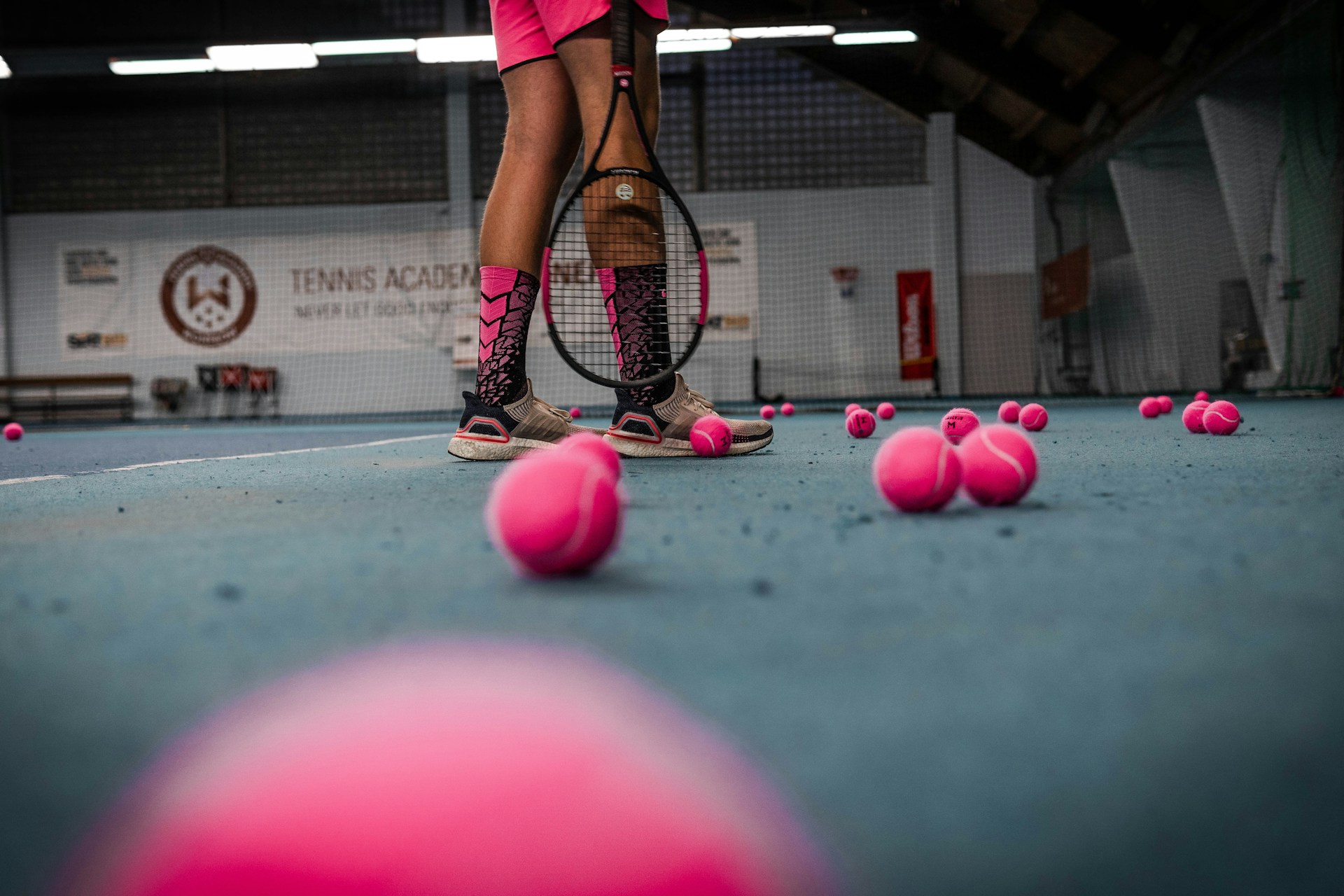
Summer is prime time for weekend pickup games, hiking trips, and tennis matches—but it’s also peak season for ankle sprains in summer sports. A single misstep can stretch or tear the ligaments that support the ankle, causing pain, swelling, and instability. Whether you rolled your ankle on the court or twisted it during a trail run,…
-
Dry Cracked Toenails in Summer: What Causes Them and How to Treat Them
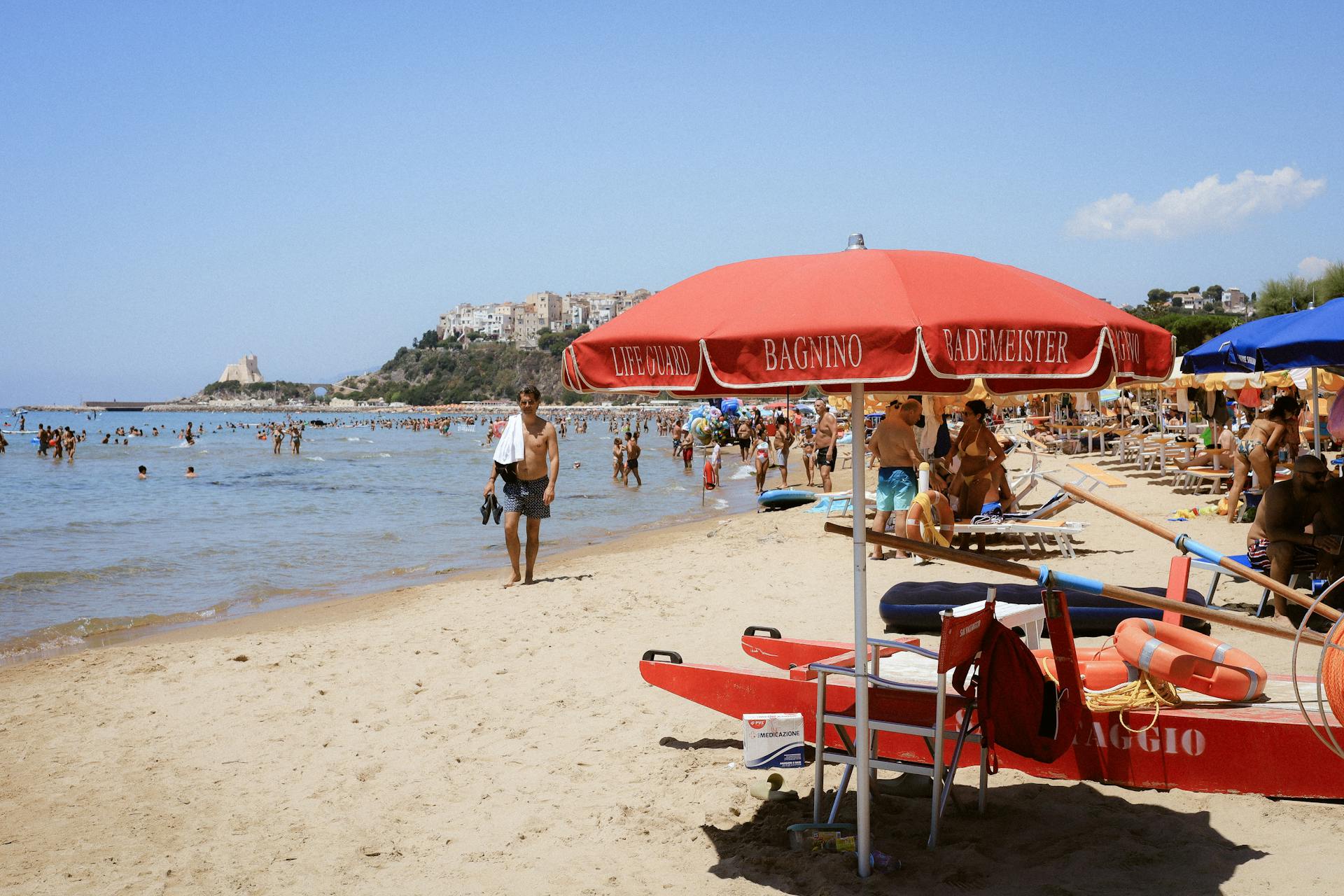
Summertime can be rough on your toenails. If you’ve noticed thick, brittle, or dry cracked toenails in summer, it may be more than just cosmetic wear and tear. Dry, warm weather—combined with increased time in sandals, pools, and sweaty shoes—can weaken the nail structure. Toenails naturally lose moisture when exposed to heat and UV rays. Chlorine…
-
Sweaty Feet in Summer: When It’s More Than Just the Heat

If you’re constantly swapping socks or slipping in your sandals, you’re not alone—sweaty feet in summer are a common complaint. But when does it cross the line from a seasonal nuisance to something that needs professional care? Excessive foot sweating, or plantar hyperhidrosis, can be triggered by summer heat, increased activity, or even stress. In many cases,…
-
Plantar Fasciitis Flare-Ups in Summer: What’s Causing the Pain?

If you’re suddenly hobbling out of bed with sharp heel pain, you might be dealing with one of the most common foot conditions podiatrists see—plantar fasciitis flare-ups in summer. The shift to summer activities and footwear is often what sets it off. Plantar fasciitis is caused by inflammation of the plantar fascia, a thick band…
-
Why Custom Orthotics Might Be the Foot Pain Solution You’ve Been Waiting For

If foot pain has become a part of your daily routine—whether it’s heel pain in the morning, aching arches after work, or sore knees and hips—you may be overlooking one of the most effective long-term solutions: custom orthotics. Unlike store-bought insoles that offer generic cushioning, custom orthotics are designed specifically for the shape and mechanics of…
-
Foot Cramps in Hot Weather: What They Mean and How to Stop Them

Whether you’re on a summer hike or just relaxing at the pool, few things ruin the moment like a sudden foot cramp. Foot cramps in hot weather are more common than you might think—and they’re often a warning sign your body needs some attention. Cramps are involuntary muscle contractions that can strike anywhere in the foot, but…
-
Back of Heel Pain in Summer: Causes and Relief Options
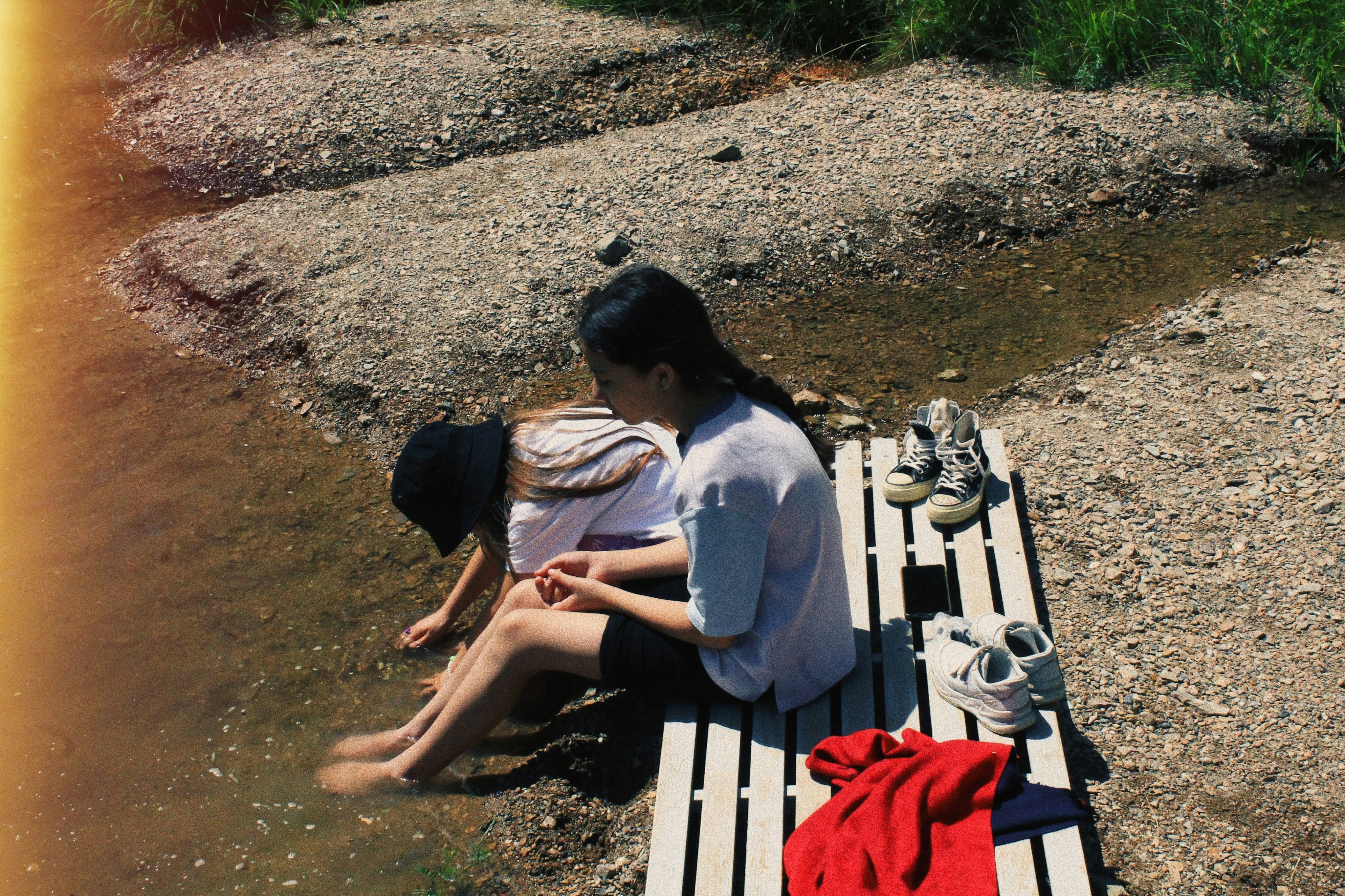
Wearing sandals and going barefoot may feel great in the heat—but for many people, it leads to one frustrating symptom: back of heel pain in summer. If your Achilles tendon or the skin around your heel starts acting up once warm weather arrives, you’re not alone. This type of pain is commonly caused by Achilles tendonitis, a…
-
Corns and Calluses in Summer: What Causes Them and How to Treat Them
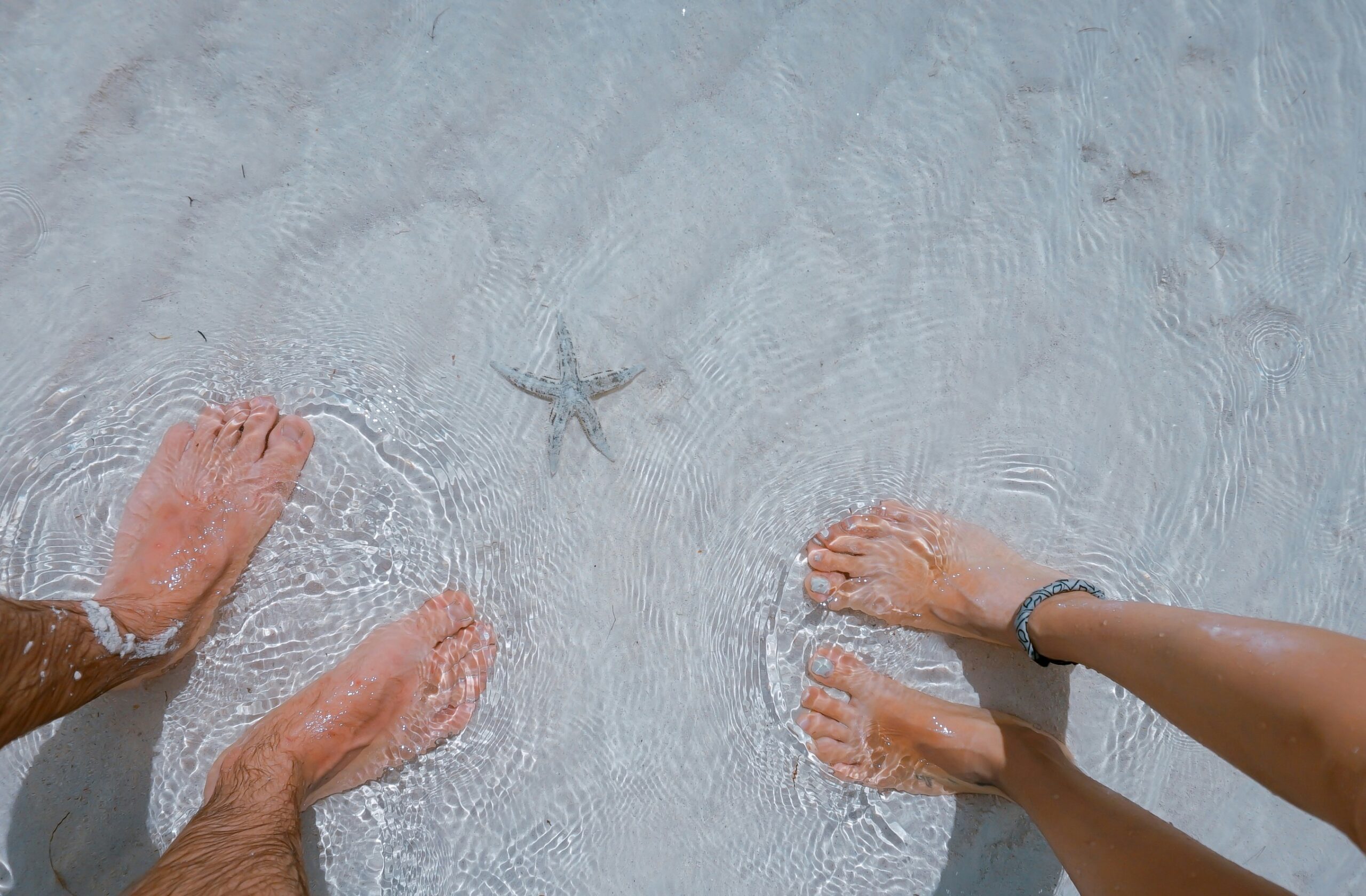
As summer footwear comes out, so do skin problems caused by friction and pressure. Corns and calluses in summer are some of the most common reasons patients visit Gauld Foot and Ankle during the warmer months. Corns are small, thickened areas of skin that typically develop on the tops and sides of toes. They form in response…